
Learn AI With Me - Week 5: Virtual Staging
This is a subtitle for your new post

WEEK 5 — Virtual Staging That Shows Possibility, Not Fantasy
Every week in this series, I’ve been exploring how AI can help real estate professionals communicate more clearly without crossing into fiction.
This week, we moved into
virtual staging — and I wanted to show what happens when you use it to help people understand space, not reinvent it.
The Process
For this post, I worked with
Copilot (not Nano‑Banana or another generative tool) to stage a real commercial space.
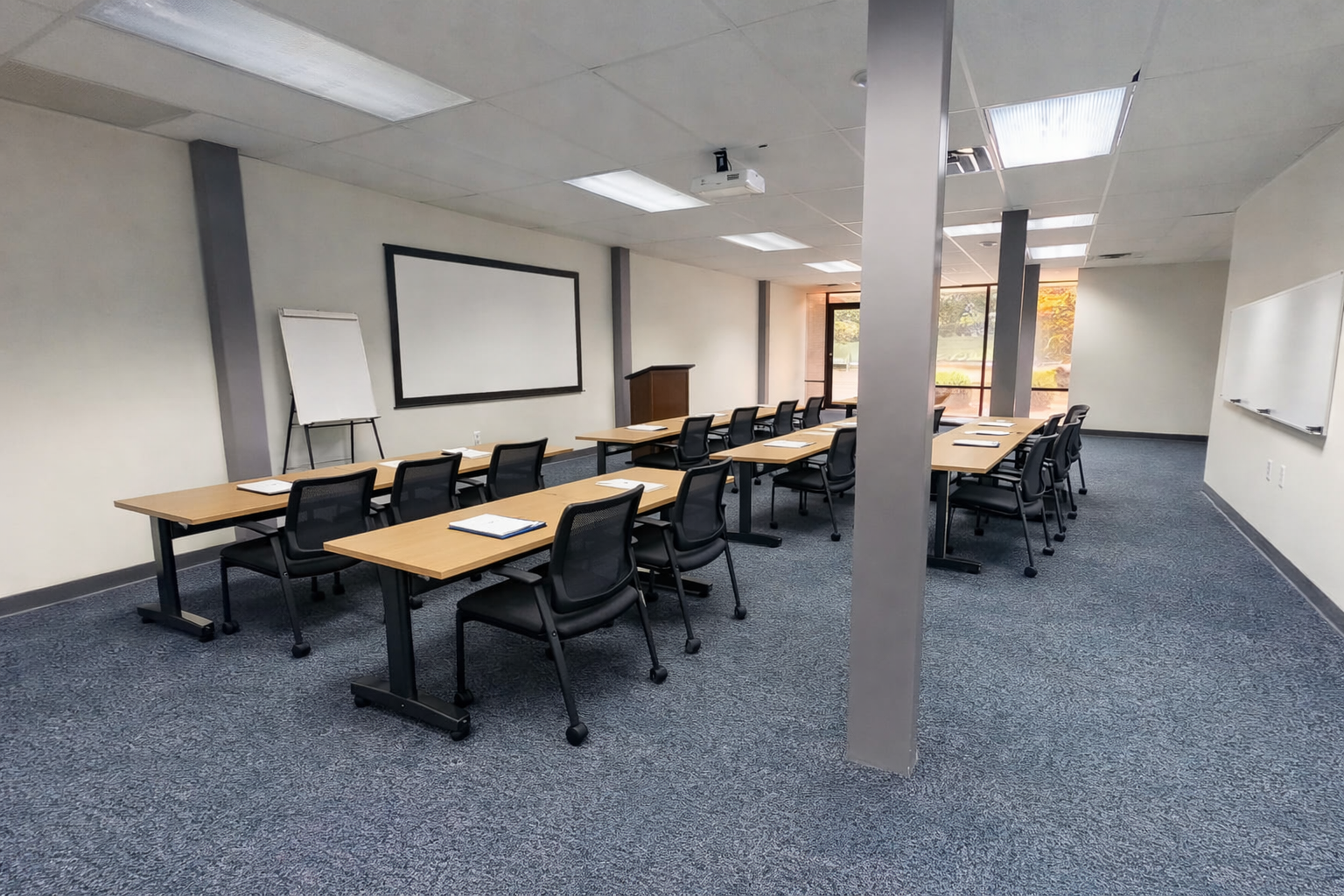
We talked through the options — office layout, co‑working setup, or conference/training room — and decided on the last one because it fit the proportions and purpose of the space best.
The goal was simple:
Add furniture and layout cues so people can visualize use — without changing the room itself.
Before & After
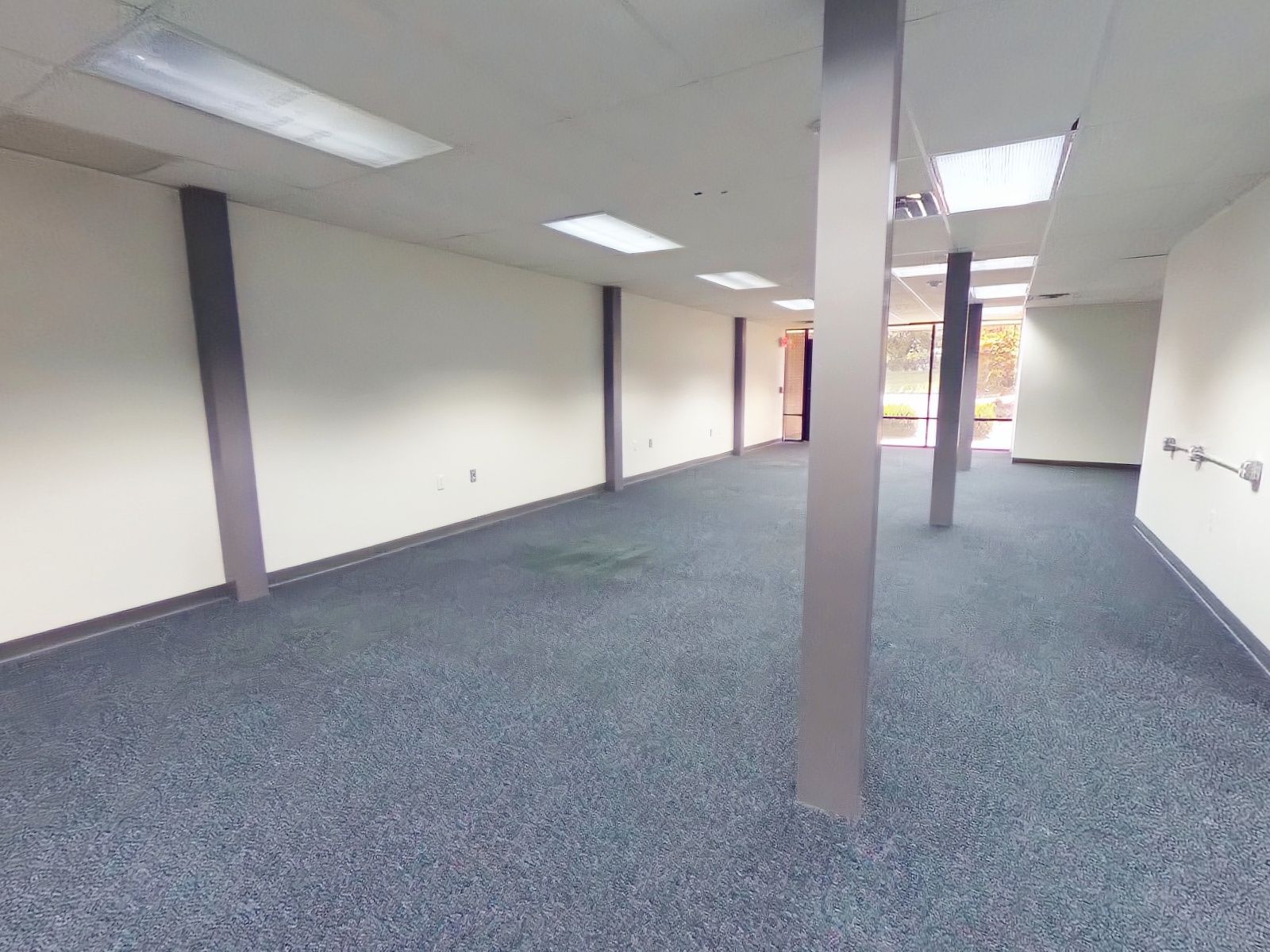
Use the slider below to compare the empty room with the staged version.
You’ll see rows of tables, chairs, a podium, and a projection screen — all added digitally, but nothing structural was touched.
The columns, ceiling grid, outlets, and carpet remain exactly as they are.
The Lesson
Virtual staging is most effective when it’s
honest.
It should help people imagine how a space can function, not what else it could be.
When done right, it’s a communication tool — not a design fantasy.
A Real‑World Example
I’ve used this same approach before with a downtown property that was in shell condition.
Most visitors couldn’t picture what it could become, so I generated three versions:
- as a coffee shop,
- as a gallery,
- and as a neighborhood bar.
Each version helped a different type of buyer see the potential.
It didn’t change the building — it changed the conversation.
That’s the power of showing possibilities honestly.
Closing Thought
Virtual staging isn’t about decorating; it’s about clarity.
When you use it to help people understand scale, layout, and potential, you’re not manipulating — you’re educating.
And that’s what good marketing does.
Next week, we’ll move into Week 6: Visual Storytelling for Listings — how to combine photos, maps, and short clips into a cohesive narrative that makes a property feel real before anyone steps inside.